
Most patients walk into a med spa laser-focused on peels, injectables, or body contouring-and quietly skip the simplest anti-aging step of all: keeping skin hydrated. It’s the unglamorous foundation that makes every other treatment work better, last longer, and heal faster. Here’s why skin hydration is the treatment everyone skips and shouldn’t, and what you can do about it starting today.
Why Hydrated Skin Matters More Than You Think
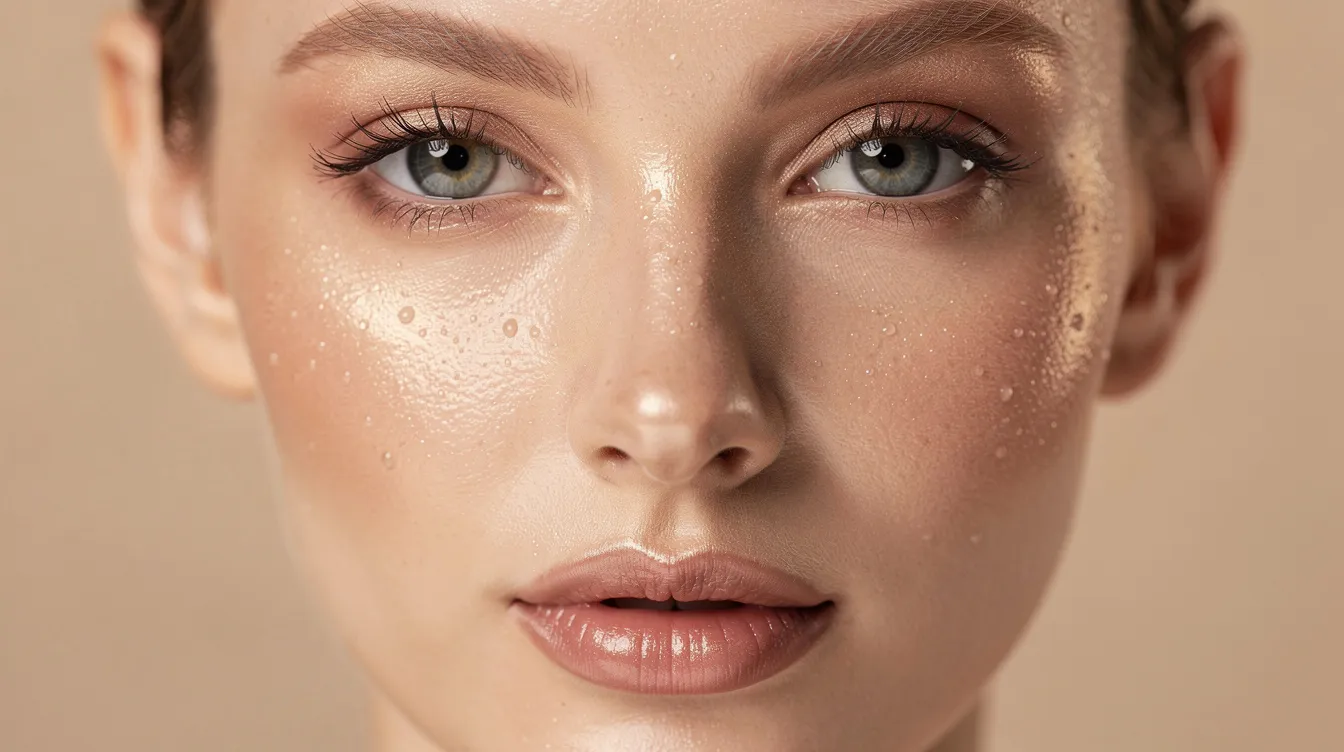
Truly hydrated skin is hard to fake. It looks smooth, supple, and “bouncy,” reflects light evenly instead of scattering it, and lets makeup sit without catching on rough or flaky patches. Proper hydration improves skin’s appearance and texture at every age. Skin hydration gives strength and elasticity to skin, and well-hydrated skin resists fine lines, micro-tears, and sagging far better than skin running on empty.
Now contrast that with dehydrated skin: dull tone, tightness after cleansing, fine lines that look deeper than they should, and foundation that pills or separates by noon. In the Bay Area, these symptoms spike between October and February as temperatures drop, indoor heating cranks up, and humidity plummets.
At Cosmetica Anti-Aging, Aesthetic Lasers & Medical Weight Loss Clinic, we often have to repair the skin barrier and get the skin hydrated before-and after-more advanced treatments like lasers or chemical peels. Without that step, results suffer and downtime increases. This article will quickly cover why your skin needs hydration daily, why skipping moisturizer backfires, and which in-clinic treatments (like hydrating facials and Skinvive) can transform dry or dehydrated skin.
Dry vs. Dehydrated: Why Your Skin Feels Tight, Flaky, or “Tired”
Many people mislabel dehydrated skin as dry skin, then reach for the wrong products. The difference matters because treatments diverge completely.
- Dry skin is a skin type, not a condition. It produces fewer natural oils and lipids year-round, leaving skin rough, flaky, and tight. A loss of lipids can lead to persistent dry skin conditions that need richer textures and barrier-repair ingredients like ceramides.
- Dehydrated skin is a temporary condition where skin lacks water, not oil. Even oily or acne prone skin can be dehydrated-still looking shiny on the surface yet feeling tight underneath. Dehydrated skin can appear dull and show fine wrinkles that weren’t visible a week ago.
Common signs of dehydration include fine lines suddenly looking deeper, makeup separating mid-day, and skin feeling tight after cleansing-especially after hot showers. Water is essential for a strong, intact skin barrier, which functions like a brick-and-mortar wall: dead skin cells held together by lipids that keep moisture in and potential irritants out. Water is necessary for cellular function and maintains a resilient skin barrier at every level.
Bay Area–specific triggers that worsen dehydration include indoor heating during cold months, hot yoga studios, frequent flying out of SFO, and seasonal weather shifts between San Mateo, Los Gatos, and Danville.
Common Myths About Skin Hydration That Keep You Looking Older
Confusion between hydration and moisturization is common in skincare, and misinformation on social media encourages people to strip their skin or skip moisturizing entirely. Let’s clear up the most damaging common myths.
Myth: “If I have oily skin, I don’t need hydration.” Oily skin can still be dehydrated. When you strip oils and skip moisturizer, sebaceous glands overcompensate-dehydrated skin often overproduces sebum, leading to acne and congested pores. A lightweight moisturizer or hydrating serum solves this without adding shine.
Myth: “Hot showers hydrate my skin.” Long hot showers actually strip skin of natural oils, damage the lipid barrier, and spike transepidermal water loss. Lukewarm showers protect barrier function and reduce redness and irritation afterward.
Myth: “I just need to drink more water.” Drinking more water doesn’t directly hydrate your skin the way a topical does. Your body sends water to vital organs first. Research confirms that extra water intake only modestly helps people who were already under-hydrated, and does little for surface barrier repair.
Myth: “Heavy cream = better hydration.” Thicker isn’t always better. Oil-heavy formulas may seal the surface without binding water in deeper layers. Moisturizer is not the only way to hydrate skin-layering hydrating ingredients like humectants under a barrier cream often outperforms a single heavy product.
Myth: “Only dry skin types need moisturizer.” Every skin type-including combination skin and acne prone skin-benefits from moisturizing. Acne-prone individuals should still use moisturizer; skipping it weakens the barrier and worsens breakouts. Moisturizers stabilize skin hydration for all skin types.
At Cosmetica Anti-Aging, Aesthetic Lasers & Medical Weight Loss Clinic, we often see “over-exfoliators” who believe acids and retinoids alone will fix texture when their main issue is unaddressed dehydration.
What Skipping Hydration Really Does to Your Skin Barrier
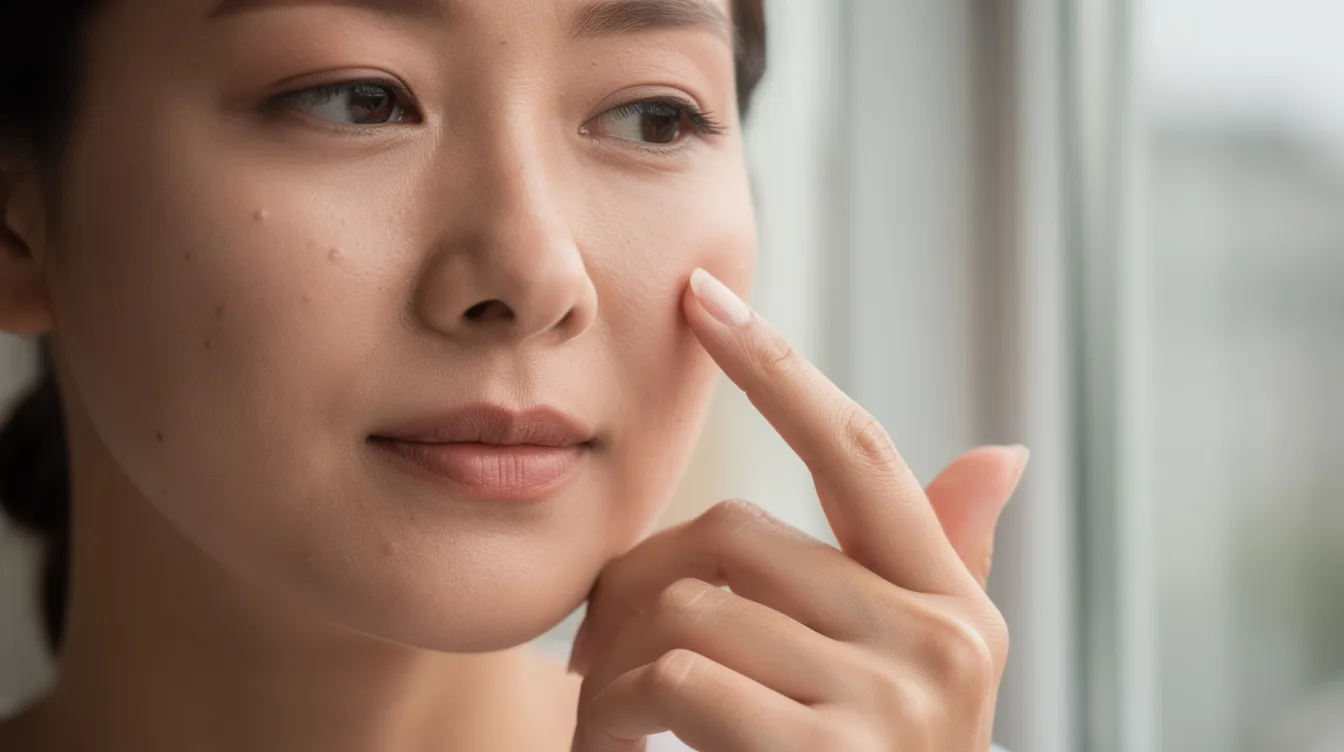
The dullness and sensitivity you notice after a few days of poor skin care is your skin barrier asking for help. Neglecting hydration can lead to dryness and irritation that compounds over time.
When you cleanse and then skip moisturizer, the temporary moisture on the surface evaporates, pulling more internal water with it. That tight, rough feeling? That’s elevated transepidermal water loss in real time. Moisturizers help dry skin retain water effectively and help maintain skin hydration and prevent dryness-even for oily skin types.
Short-term effects of skipping hydration:
- Rough texture and makeup pilling
- More visible fine lines around eyes and mouth
- Itchiness and flaky patches, especially when temperatures drop
Longer-term consequences:
- Chronic inflammation and redness
- Dehydrated skin can cause increased sensitivity to skincare products, including actives you previously tolerated
- Faster appearance of wrinkles and more pronounced post-inflammatory marks from acne
- Hydration prevents chronic micro-inflammation that accelerates skin aging
The lipid barrier-built from ceramides, cholesterol, and natural oils-needs consistent support to stay intact. When compromised, irritants penetrate more easily and water escapes. Proper hydration keeps the stratum corneum flexible and intact, and adequate hydration can support the skin’s ability to resist environmental stress.
A strong, hydrated barrier lets skin focus on repair: better collagen and elastin maintenance, more even tone, and a better response to in-office treatments like facials and peels. The good news is that rebuilding hydration is entirely possible with a consistent skincare routine and, when needed, targeted professional treatments.
How to Actually Keep Skin Hydrated: Smart Routine, Real-Life Habits
Here’s a practical, step-by-step daily skin care game plan built around both home care and lifestyle choices. Skin hydration depends on consistency more than any single product.
Morning routine:
- Gentle, low-foam cleanser (avoid harsh surfactants)
- Hydrating toner or essence to prep skin cells for absorption
- Hydrating serum with hyaluronic acid or glycerin-apply a hydrating serum under moisturizer for better results
- Barrier-supporting hydrating moisturizer with ceramides or niacinamide
- Broad-spectrum sunscreen, even on cloudy Bay Area days
Evening routine:
- Double cleanse if wearing sunscreen or makeup (oil cleanser first, then gentle wash)
- Hydrating serum layered on damp skin
- Moisturizer matched to your skin type-gel for oily, cream for dry, lotion for combination skin
- Optional occlusive layer (squalane, petrolatum) for very dry or cold winter nights
Well-hydrated skin can absorb active ingredients more effectively, so hydration helps enhance product efficacy in your entire skincare routine. Water is essential for optimal enzymatic activity and cellular turnover within the skin, meaning your retinoids and exfoliants actually work better on hydrated skin. Gentle exfoliation one to two times a week helps maintain hydration by clearing the surface of buildup without stripping lipids.
Lifestyle habits that matter:
- Use a humidifier at home during heater season to keep indoor humidity above 40%
- Use lukewarm water for showers to prevent skin dryness-and use a moisturizer after showering to lock in moisture within three minutes, focusing on shins, forearms, and hands
- Limit alcohol and very salty foods before events when you want skin looking its best
- Get enough sleep-your body synthesizes ceramides and lipids overnight
- Drink half your body weight in ounces of water daily; drinking water helps maintain skin hydration from within, and hydration for dehydrated skin also requires water-rich foods and drinks
- Avoid over-exfoliation, harsh foaming cleansers, and blasting skin with hot water
Hydration supports optimal cellular function and skin elasticity, keeping skin healthy and resilient season after season.
Professional Hydration Treatments at Cosmetica Anti-Aging, Aesthetic Lasers & Medical Weight Loss Clinic
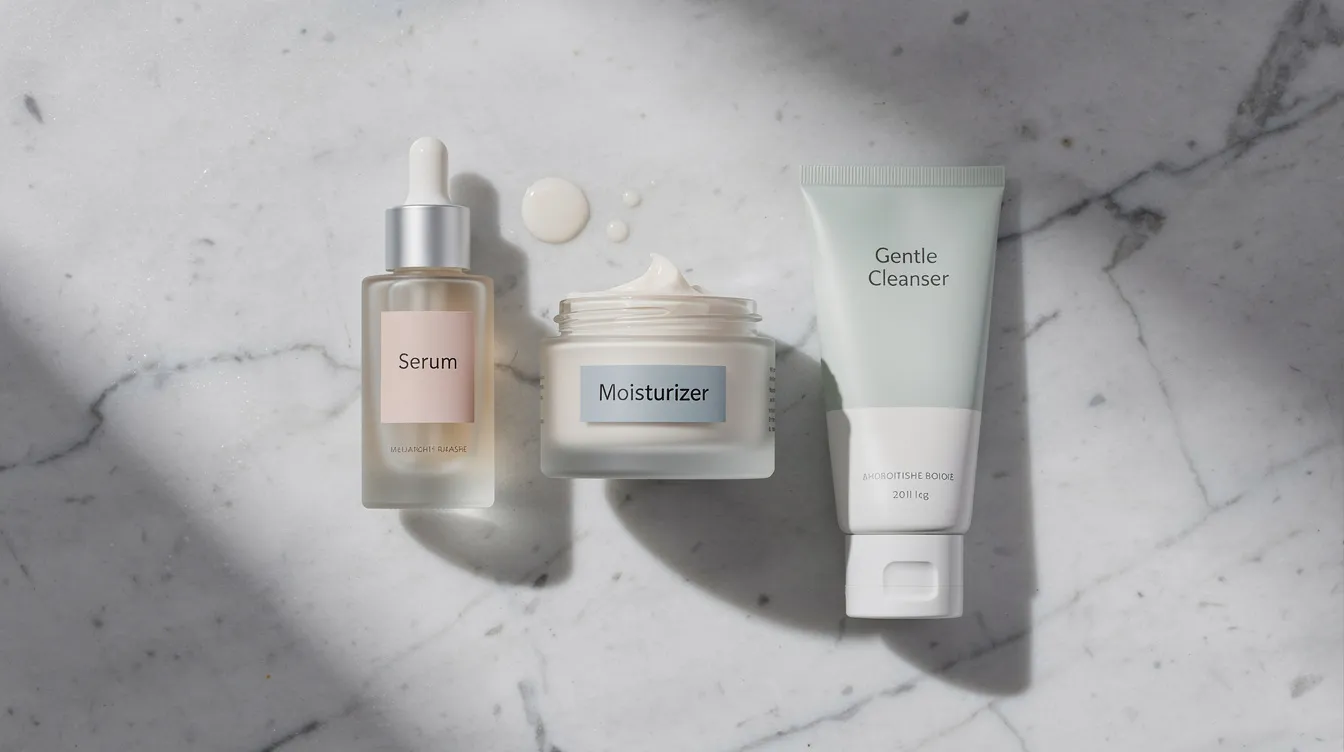
For stubborn dehydrated skin-or to prep for a big event-in-clinic treatments can quickly restore glow and supercharge the effect of your home routine. Sometimes the right treatment makes the difference between adequate skin care and truly luminous results.
Hydrating facials at Cosmetica Anti-Aging, Aesthetic Lasers & Medical Weight Loss Clinic (San Mateo, Los Gatos, and Danville) are medical-grade sessions that cleanse, gently exfoliate, infuse hydrating serums deep into the skin, and strengthen the skin barrier. These HydraFacial treatments are especially beneficial during Bay Area fall and winter months-roughly November through March-when indoor heating and cooler air amplify dryness and flaking.
Skinvive is a microdroplet injectable that delivers hyaluronic acid directly into the skin to improve smoothness, plumpness, and radiance. Clinical data show measurable increases in skin hydration lasting up to six to nine months, with high patient satisfaction for glow and texture. It’s not a volumizing filler-think of it as an internal hydration boost.
Skinvive and similar injectable treatments don’t replace your daily moisturizer, but they supercharge and prolong the effects of your routine by improving the skin’s ability to hold water and reflect light naturally.
We also integrate hydration with other services-pairing a hydrating facial with gentle laser rejuvenation, or balancing neuromodulators and fillers with barrier-focused aftercare so results look more natural and luminous.
Keeping skin hydrated isn’t optional-it’s the foundation every other aesthetic treatment stands on. Book a personalized skin consultation at Cosmetica Anti-Aging, Aesthetic Lasers & Medical Weight Loss Clinic to map out a hydration plan tailored to your skin type, lifestyle, and anti-aging goals.