
You have two of the most popular exfoliation options sitting on a med spa menu, and they could not be more different under the hood. One dissolves and resurfaces; the other polishes and hydrates. Picking the wrong one wastes money. Picking the right one can genuinely change how your skin looks and feels for months. Here is an honest, clinical comparison of the chemical peel vs HydraFacial so you can figure out which exfoliation method actually fits your skin – or whether you need both.

Fast Answer: When to Choose a Chemical Peel vs. HydraFacial
If you need the short version before the deep dive, here it is.
Choose a HydraFacial if you want an instant glow, deep surface hydration, and zero downtime. It is the ideal facial treatment before a wedding, a work event, or any week when you cannot afford visible peeling or redness. It is also the better standalone option for dehydrated skin, mild congestion, and routine maintenance between more corrective treatments.
Choose a chemical peel if you are targeting deeper correction – acne scars, post-acne marks, stubborn pigmentation, fine lines, or rough texture that a surface-level treatment simply will not fix. Chemical peels require a recovery period with possible redness and peeling, but the trade-off is longer-lasting structural change.
Here is how results and timelines stack up between the two treatments:
- HydraFacial delivers visible brightness and plumping within hours. Results typically last about five to seven days at peak, with residual benefits fading over two to four weeks. Monthly sessions keep the glow consistent.
- A series of three to six chemical peel sessions, spaced four to six weeks apart, can produce improvements in tone, texture, and scarring that last three to six months – sometimes longer with maintenance.
- HydraFacials are great for providing instant results without downtime, making them popular for event prep. Chemical peels are the workhorse for long-term change.
- Many clients alternate between HydraFacial and chemical peels throughout the year, using each treatment where it does the most good.
Choosing the right treatment depends on individual skin type and specific skin concerns. At Cosmetic Anti-Aging, Aesthetic Lasers & Medical Weight Loss Clinic – with locations in San Mateo, Los Gatos, and Danville – our providers can recommend either treatment or build a combined plan after a thorough skin consultation.
How Chemical Peels and HydraFacials Really Work on Your Skin
Both are professional exfoliating facial treatments performed in a clinical setting. Both remove dead skin cells. But a HydraFacial and a chemical peel work on your skin in fundamentally different ways: one is a “polish and hydrate” treatment; the other is controlled chemical resurfacing that triggers your skin’s renewal process from within.
How a Chemical Peel Works Differently
A chemical peel uses acid solutions – such as glycolic, lactic, salicylic acid, or trichloroacetic acid (TCA) – to dissolve bonds between dead cells on the skin surface and promote cellular turnover beneath. The acid essentially tells your body that the damaged outer layers need to go, and new skin cells push up to replace them.
Chemical peel treatments can be adjusted in intensity from light to deep depending on skin needs:
- Superficial peels use lower-concentration acids to brighten skin tone, smooth mild rough texture, and improve overall skin clarity. Downtime is minimal – typically one to three days of tightness or mild flaking.
- Medium depth peels use stronger concentrations (often TCA or higher-percentage glycolic) to penetrate deeper layers of the skin for more aggressive treatment of fine lines, sun damage, acne scarring, and uneven skin tone.
The typical chemical peel experience follows a clear sequence: gentle cleansing, application of the acid solution, a tingling or warm sensation as the peel works, neutralization (or self-neutralizing for certain formulations), and then several days of dryness and visible peeling as the skin underneath emerges brighter and smoother. Chemical peels may require seven to fourteen days of recovery time depending on depth.
Expected chemical peel results over a full series include brighter tone, reduction in post-acne marks and mild acne scarring, softening of fine lines, and measurable improvement in sun damage. A randomized clinical trial of TCA medium depth peels showed statistically significant improvements in skin appearance at one and three months, including hydration and brightness – results that continued well beyond the peeling process itself.
How HydraFacial Works
A HydraFacial and a chemical peel are not the same thing. HydraFacial is a hydradermabrasion device that uses gentle suction and fluid infusion – sometimes incorporating a very light acid peel step – but it does not replace a true medium depth chemical peel.
The mechanism follows four key steps:
- Cleanse and gentle exfoliation – dead cells and surface debris are loosened from the skin surface.
- Mild chemical solution – a light acid or enzymatic agent (often a blend of glycolic and salicylic acid at low concentrations) helps loosen deeper debris in pores.
- Vacuum-assisted extraction – gentle suction clears clogged pores and blackheads without manual squeezing, reducing irritation for sensitive skin.
- Serum infusion – hydrating serums containing hyaluronic acid, antioxidants, and peptides are driven into the skin, tailored to individual skin concerns like dehydrated skin, dullness, or mild congestion.
HydraFacial enhances skin texture and brightness with results visible immediately after one session. There is no visible peeling, no flaking, and clients can wear makeup and return to their routine the same day. HydraFacial has virtually no downtime after treatment, which is why it has become the go-to “lunchtime” facial treatment.
The contrast is straightforward: HydraFacial focuses on comfort, surface hydration, and instant radiance. Chemical peels focus on deeper structural skin renewal, with more visible downtime but more lasting correction.
At Cosmetic Anti-Aging, Aesthetic Lasers & Medical Weight Loss Clinic, both treatments are performed under licensed medical supervision, with customization based on your current skin condition and Fitzpatrick skin type.
Skin Concerns: Which Treatment Fits Acne, Dehydrated Skin, and Fine Lines?
The right choice depends less on “which treatment is stronger” and more on what you are trying to fix. Both treatments target different skin concerns like acne, pigmentation, and hydration – but they do so at different depths and with different trade-offs.
Acne-Prone Skin and Active Acne
For active acne and congested, oily skin, the answer is more nuanced than picking one treatment and sticking with it.
HydraFacial addresses dehydration and mild acne effectively. A multicenter clinical study found that after six HydraFacial Clarifying sessions over twelve weeks, the proportion of patients rated “no or almost clear” rose from roughly 20 percent to 65 percent (investigator-assessed). That is meaningful improvement for mild-to-moderate breakouts – achieved with gentle exfoliation, gentle suction to remove debris, and hydrating serums, without triggering further irritation.
However, acne-prone skin may benefit more from chemical peels that regulate oil production. Salicylic acid peels penetrate oil within pores, making them more corrective for ongoing breakouts, post-inflammatory hyperpigmentation, and stubborn oil production. The key caveat: aggressive treatments with stronger acid peel solutions are avoided over inflamed, cystic active acne until the skin response has stabilized. Starting with a gentler approach and progressing to chemical peels once inflammation is controlled is standard practice.
Acne Scars and Rough Texture
Shallow acne scars and uneven texture respond better to a series of light-to-medium chemical peels for skin resurfacing than to HydraFacials alone. Chemical peels improve acne scars and uneven texture by accelerating the peeling process that sheds scarred surface skin and stimulates fresh skin formation in the deeper layers. Chemical peels effectively treat deeper skin issues like acne scars and are considered more effective for deeper skin issues such as severe pigmentation.
That said, HydraFacial can still play a supporting role between peel sessions – keeping pores clear, maintaining skin health, and supporting the skin barrier with hydration while deeper remodeling is happening.
Dehydrated Skin and Dry Skin
A quick distinction: “dry” skin lacks oil; dehydrated skin lacks water. They feel similar but respond to different interventions.
HydraFacial is excellent for dehydrated skin because it infuses hyaluronic acid and nourishing serums directly into the skin, immediately plumping and restoring surface hydration. If your skin feels tight, looks dull, and drinks up every moisturizer you apply, a HydraFacial will deliver noticeable relief in a single session.
Chemical peels can temporarily increase dryness or tightness – especially medium peels – so post-peel hydration, barrier support, and gentle cleansing in the days following treatment are critical. Skipping this step is how people end up with skin sensitivity they did not have before.
Fine Lines and Sun Damage
HydraFacial softens the look of fine lines by hydrating and smoothing the skin surface, filling minor creases with moisture. The improvement is real but short-term.
Chemical peels stimulate collagen production for aging skin, meaning repeated chemical peel sessions can improve fine lines, early sun damage, and blotchy skin tone more meaningfully over months. Chemical peels effectively reduce hyperpigmentation and sun damage through controlled removal of the damaged outer layers, forcing the skin underneath to rebuild with better structure.
A Quick Rule of Thumb
- Choose a HydraFacial if your main issues are dull, tired, or dehydrated skin and you want to look refreshed within hours – an instant glow with zero downtime.
- Choose a chemical peel series if your main issues are acne scarring, stubborn acne marks, or fine lines and you can plan for three to six visits with some visible redness and mild flaking along the way.
Cosmetic Anti-Aging, Aesthetic Lasers & Medical Weight Loss Clinic providers often alternate HydraFacial and chemical peel sessions once the skin barrier is stable – never on the same day – to balance deep correction and ongoing skin clarity.
Matching Treatment to Your Skin Type, Schedule, and Lifestyle
An ideal treatment plan considers your skin type, skin sensitivity, past chemical peel experience, upcoming events, and how much downtime you can realistically handle. For clients across San Mateo, Los Gatos, and Danville, these practical factors matter as much as the clinical ones.
Skin Type and Sensitivity
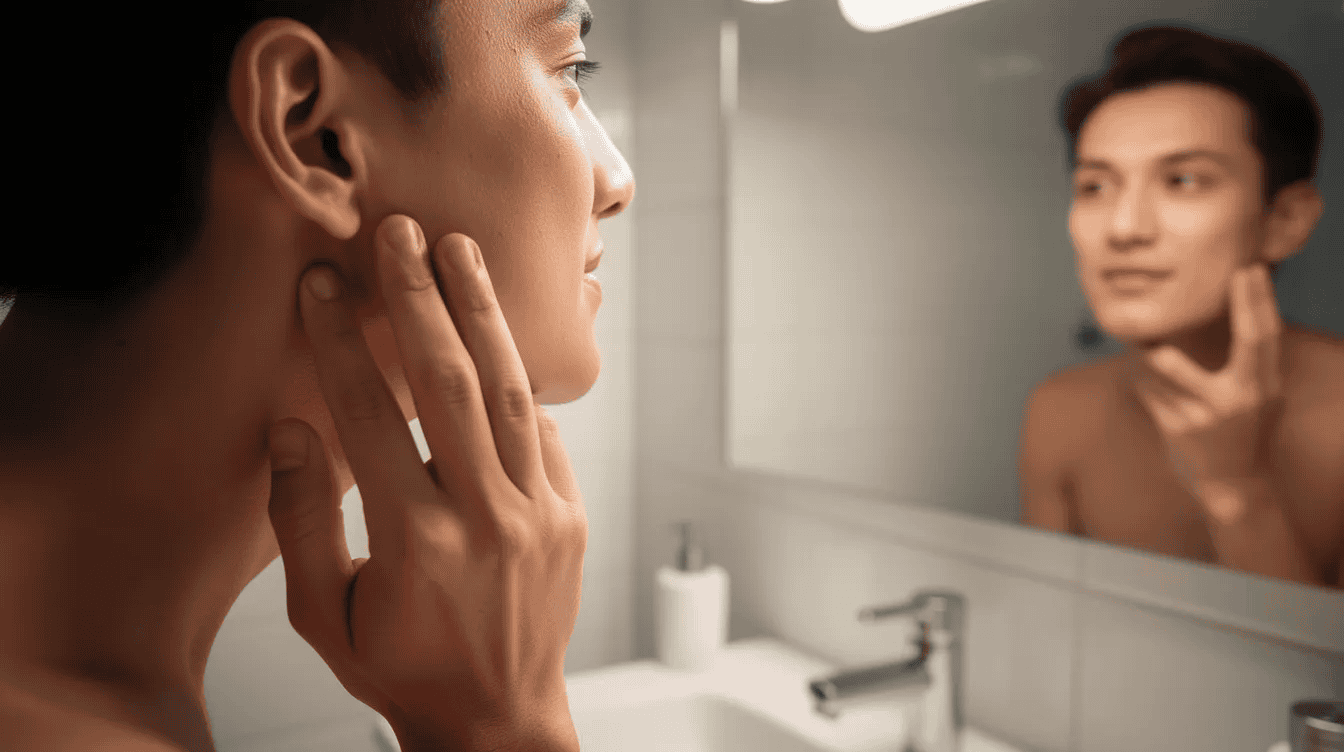
Sensitive or reactive skin often responds better to HydraFacial treatments than harsher chemical peels. HydraFacial is suitable for sensitive skin types because exfoliation is gentle, extraction uses suction rather than pressure, and hydration is built into every step. If your skin flares easily – rosacea-prone, reactive skin, or easily irritated – HydraFacial is the safer starting point.
Superficial chemical peels using lactic or mandelic acid can be used cautiously on sensitive or darker skin tones, but they require professional selection to avoid post-inflammatory hyperpigmentation. Light peels at carefully chosen concentrations can still deliver meaningful results for these skin types without overstepping the skin’s tolerance.
For darker Fitzpatrick types (IV–VI), the risk of pigment changes rises with peel depth. Providers experienced with skin of color will adjust acid type, concentration, and exposure time – or lean more heavily on HydraFacial where possible.
Downtime and Your Social Calendar
This is often the deciding factor for Bay Area professionals and event-goers.
| Factor | HydraFacial | Chemical Peel (Light–Medium) |
| Visible redness | Mild pinkness, fades in hours | Moderate redness for 1–5 days |
| Peeling/flaking | None to negligible | 3–7 days (light); up to 7–14 days (medium depth) |
| Wear makeup | Same day | Usually wait 24–48+ hours |
| Exercise | Same day | Wait 24–48 hours minimum |
| Best before events | 1–3 days before | At least 7–10 days before |
| HydraFacial provides immediate results with no downtime – you can walk out of the treatment room and head to dinner. Chemical peels require a longer recovery time than HydraFacial, with medium-depth chemical peels producing visible peeling for several days. HydraFacial allows immediate makeup application post-treatment, while chemical peels produce a peeling process that needs to resolve fully before skin looks event-ready. |
HydraFacial is ideal for quick skin refreshment before events. If you have a wedding, reunion, or important presentation in three days, book a HydraFacial. If the event is six weeks away, you have time for a chemical peel that will produce fresh skin with lasting improvement.
Frequency and Commitment
| HydraFacial | Chemical Peel | |
| Maintenance frequency | Every 4–6 weeks | Series of 3–6 peels, spaced 4–6 weeks apart |
| Long-term upkeep | Monthly recommended | 1–3 maintenance peels per year |
| Results longevity | 2–4 weeks | 3–6 months after a full series |
| HydraFacial can be done monthly for maintenance of glow, pore clarity, and hydration. HydraFacial is often recommended for monthly maintenance to sustain results. Chemical peels are typically spaced four to six weeks apart during a corrective series, with a series of three to six chemical peels recommended for best results. After completing a series, maintenance peels one to three times per year help sustain chemical peel results. |
Chemical peels can cost significantly more than HydraFacials over time when factoring in recovery products and the treatment series. HydraFacial costs between $150 and $300 per session in the Bay Area; chemical peels range more broadly depending on depth and agent used. Many clinics offer package deals for combined treatments.
Realistic Expectations
Neither a HydraFacial nor a single acid peel will erase deep scars or etched wrinkles. Chemical peels can noticeably improve mild-to-moderate issues – acne marks, uneven skin tone, early fine lines – but more severe scarring may need combination therapies such as RF microneedling or laser resurfacing as part of a broader skin rejuvenation plan.
Safety Considerations
Chemical peels require careful screening. Key contraindications include:
- Recent isotretinoin (Accutane) use within the past six months
- Very recent sunburn or excessive sun exposure
- Open skin infections or active cold sores
- History of keloid scarring without medical clearance
Both treatments should be adjusted or postponed if the skin barrier is compromised or overly irritated by at-home acids or retinoids. Overprepping with strong actives before a peel is one of the most common mistakes we see – and one of the most preventable.
Whether you are considering a HydraFacial or chemical peel, a consultation at Cosmetic Anti-Aging, Aesthetic Lasers & Medical Weight Loss Clinic in San Mateo, Los Gatos, or Danville ensures providers review your medications, past treatments, skin goals, and current skin condition before recommending a plan.
How We Personalize Your Plan at Cosmetic Anti-Aging, Aesthetic Lasers & Medical Weight Loss Clinic
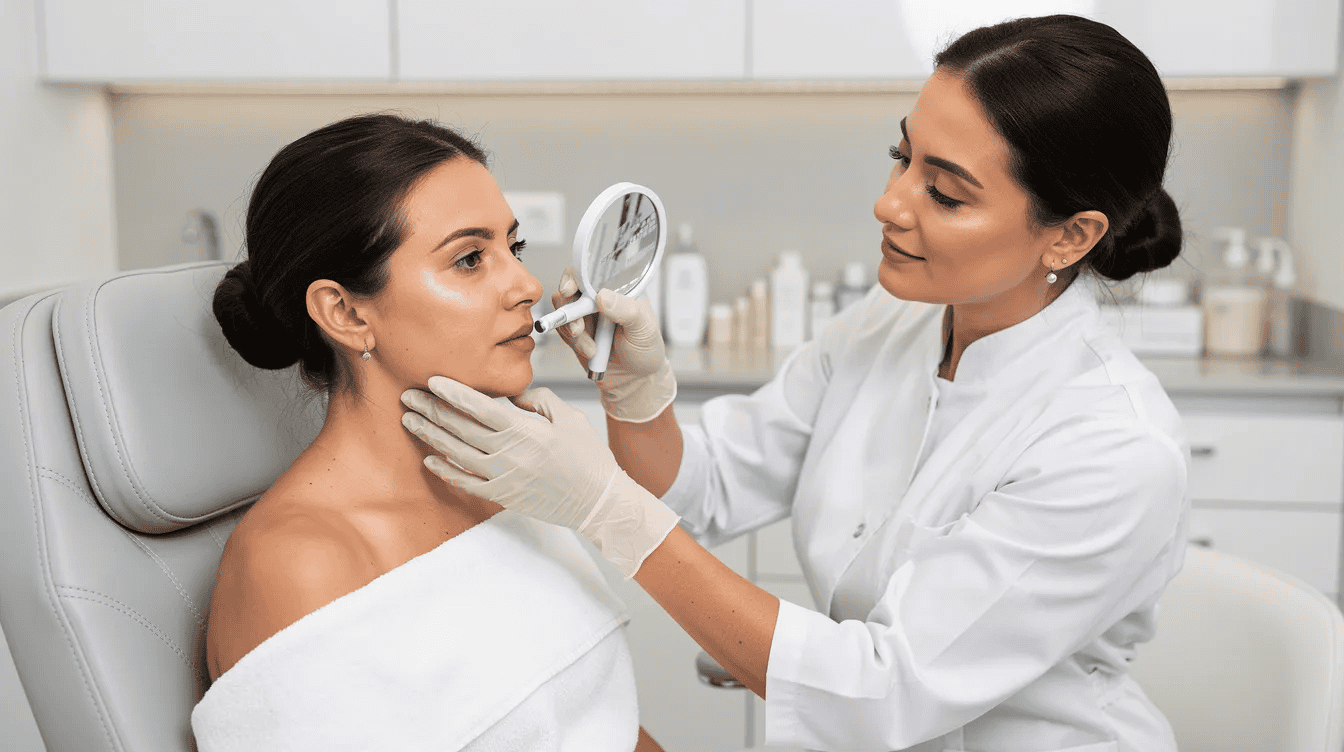
Every consultation at our clinic begins with a skin analysis – evaluating tone, texture, oiliness, dehydration, acne activity, and any signs of reactive skin or barrier compromise. We also discuss lifestyle factors: travel schedules, sun exposure habits, upcoming events, and how much social downtime you can genuinely tolerate.
For acne-prone skin, providers typically start with gentler resurfacing – often a customized HydraFacial focused on extractions and oil control – before progressing to stronger chemical peels once inflammation is under better control. This sequenced approach protects the skin barrier while still moving toward meaningful acne clearance.
For clients focused on anti-aging and collagen production, clinicians may recommend a yearly or twice-yearly medium depth peel to address fine lines and sun damage, supported by monthly HydraFacials to maintain brightness, healthy skin hydration, and pore clarity between peel cycles. Whether a chemical peel ultimately depends on your specific skin condition, tolerance, and timeline – or whether a HydraFacial series alone is enough – is something we determine together.
Every treatment plan includes clear aftercare instructions:
- Daily SPF 30+ following any exfoliating treatment
- Adjusted home skincare – pausing retinoids and strong actives during the peeling process
- Gentle cleansing and barrier-supporting moisturizers to protect healing skin
- Guidelines on when to resume normal routines, workouts, and sun exposure
These steps protect your results and reduce the risk of complications like hyperpigmentation or prolonged skin sensitivity.
Ready to find out which exfoliation method fits your skin right now? Book a consultation at Cosmetic Anti-Aging, Aesthetic Lasers & Medical Weight Loss Clinic in San Mateo, Los Gatos, or Danville – online or by phone. We will assess your skin, review your goals, and build a plan that makes sense for your life, not just your skin type on paper.